


Ganvent Create an online store
4.737.00 Reviews
App Specs
- Version
- 45.0
- Updated On
- License
- Free
- Downloads
- 100,000+
- Developer
- Ganvent SAC
- Categories
- Shopping
- Platform
- Android
Screenshots


 Analysis by AppCompare
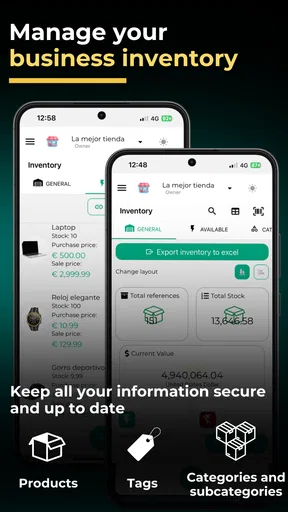
I judge a store-building app not only by how quickly it lets me put products online, but also by how manageable it feels when I’m tired, working on a small screen, or trying to keep an order and stock details straight. That practical side matters with Ganvent Create an online store, a free shopping app from Ganvent SAC. Its purpose is to help a seller build a storefront and keep business inventory organized, so I see it as a tool for people who want to handle several day-to-day shop tasks from a phone rather than begin with a complicated web setup.
Readability and finding your way around
The first thing I would pay attention to is whether the app’s labels and steps make sense to someone who does not already speak the language of e-commerce. A friendly first run can lower the barrier to starting, but the real test comes later: can I return to a product or inventory task without having to remember a long sequence of menus? If you are comparing store tools, try a small practice workflow before committing your whole catalog. Add one representative item, look for its stock information again, and see whether the route still feels clear when you revisit it.
The published version is 41.0 and the app is listed for Android 6.0 and later. That makes the Android requirements worth checking before planning a workflow around an older phone. The app is free to install and is rated for Everyone; its average rating is 4.7 from around 1,600 ratings, with over 50,000 installs. Those figures suggest that it has found an audience, but they cannot tell me whether its navigation will suit your eyesight, reading preferences, or device. I would make that decision by testing the actual screens I need most often.
Motor and sensory considerations
Managing a shop on a touchscreen can involve repeated taps, text entry, and small adjustments. That can be tiring if precise gestures are difficult, or if notifications and visual clutter make it harder to focus. I would test the tasks that matter to you with the phone held the way you normally use it: entering a product, correcting a price, and checking stock. Notice whether you can pause safely, resume without losing your place, and confirm a change before moving on. These are useful checks for any mobile shop manager, not assumptions about features the app may or may not offer.
A sensible way to reduce avoidable strain is to prepare product names, descriptions, and prices before you begin entering them, then work through a few items at a time. That makes a long setup less dependent on sustained attention and careful typing in one sitting. If you often rely on voice input, screen magnification, or other system-level adjustments, test them in the app before you depend on them for a busy selling day. Small changes to a listing can have real consequences, so I would not assume that every editing action is equally comfortable on every device.
Situational access for a working seller
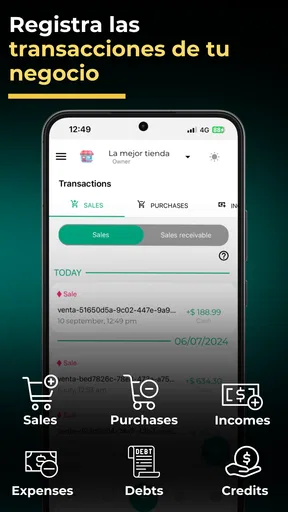
A phone-based shop manager is most appealing when I need to make a quick check away from a desk: perhaps I have just sold an item at a local event and want to avoid treating the remaining stock as available twice. I would use a quiet moment to review the listing and inventory rather than try to perform careful edits while walking, serving someone, or dealing with poor network conditions. For a seller working alone, separating customer-facing activity from admin time can prevent rushed mistakes.
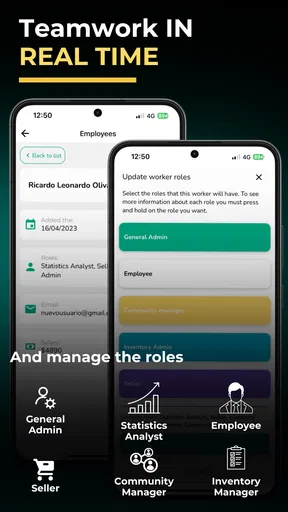
It can also suit a small business owner who shares responsibilities with a helper. Before either person updates a catalog, agree on a simple routine: who changes product details, when stock is reviewed, and how a change is checked. That process is useful even when an app makes inventory management feel straightforward. The tool can keep information close at hand, but it cannot decide which person should update a count or resolve conflicting records for you.
Worth Reading Before You Choose

EA SPORTS FC Mobile 26 Is a Bigger Football Game, but It Takes Time

Flipboard Shows What News Apps Must Do Beyond the Feed

Switching to Android Auto Means Rethinking Your Driving Routine

Google Calendar Makes a Crowded Week Easier to Manage

Ludo King Makes the Most of the Minutes Between Plans

Baby Panda World Brings Quick Play to Modern Phones, but Its Game Library Feels Busy
Remaining barriers and trade-offs
Ganvent is a shopping app built around creating a store and managing inventory, not a guarantee that every part of running an online business will feel effortless. A mobile-first workflow may be less comfortable for someone who needs to edit a large catalog, compare many items at once, or write long product descriptions. In those situations, a larger screen or a dedicated desktop commerce platform may be a better fit. I would also check that the app supports the particular sales process you have in mind before moving an established shop into it.
There is a further distinction between organizing a storefront and bringing customers to it. A tool can help with the work of running a shop, but a new seller still needs to decide how to present products, set a realistic stock routine, and reach likely buyers. Likewise, a low-friction setup should not be mistaken for a substitute for checking the details customers rely on: names, prices, availability, and delivery expectations. My practical advice is to begin with a small selection, confirm that the workflow suits you, and only then invest time in transferring a full catalog.
There are in-app purchases, with listed item prices ranging from $2.49 to $149.99. I would review any purchase screen carefully and decide what is necessary for my own business rather than treating paid options as an automatic part of getting started. That matters especially for a new seller who is still testing whether an online storefront will bring enough value to justify extra spending.
Who is likely to find it useful?
I can see this app fitting a maker, side-business owner, or small seller who wants to get a basic store operation moving without turning setup into a technical project. It is also worth considering if keeping product and stock information in one mobile workflow is more useful to you than maintaining scattered notes. A seller with a modest catalog may find it easier to make a quick stock check on a phone than to open a full desktop system for every small update.
I would be more cautious if your business depends on complex catalog organization, specialized checkout rules, or a large team working on the same records. In that case, compare the app with established hosted store platforms and inventory-focused tools by listing your must-have tasks first. Do not choose on the basis of a long feature checklist alone: run through a real product change, a stock correction, and the way you expect to handle an order. The right choice is the one that supports those routines reliably.
Getting Started with Ganvent
First things first, downloading and installing Ganvent Create an online store was a breeze. I hopped onto the App Store, hit download, and in no time, I was ready to dive into the world of e-commerce. The interface is super user-friendly, even if tech isn’t your best friend. Honestly, you don't need to be a coding wizard to get started, which is a huge relief.
Setting Up Your Store
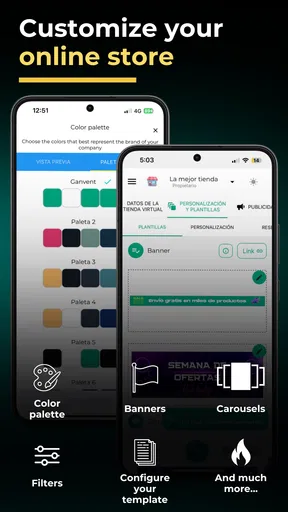
Once inside, the app guided me through the process of creating my store. From choosing a name to picking a layout, every step was intuitive. Ganvent offers a variety of themes that cater to different niches, so whether you’re selling handmade crafts or digital downloads, there’s something for everyone. I particularly liked the drag-and-drop feature for customizing the store layout. It made the whole experience feel like a fun puzzle rather than a daunting task.
The app also provides a set of tools to help you manage your inventory. You can easily add products, set prices, and even track stock levels. For someone like me who’s prone to forgetfulness, having all this info at my fingertips was a game-changer.
Payment and Shipping Options
Ganvent doesn’t skimp on the essential features. The payment integration was smooth; it supports a range of payment gateways, from PayPal to Stripe. Setting it up was straightforward, and I felt secure knowing they had strong encryption protocols in place. Shipping settings were equally easy to configure. You can offer flat rates, free shipping, or even real-time shipping quotes. It’s flexible, which is exactly what you need in today’s fast-paced e-commerce environment.
For a practical first test, I would set up one item with the sort of delivery terms I actually expect to use, then review the customer-facing details before sharing the store. A handmade item, for example, may need a different handling routine from a downloadable product. Thinking through that difference early helps avoid a common small-business trap: configuring a storefront quickly, then discovering that the way a product is delivered does not match the way it was described.
Marketing and Analytics
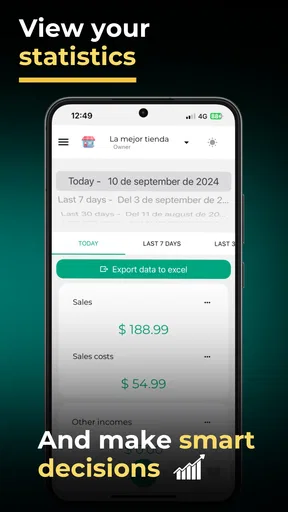
Now, let’s talk about getting the word out. Ganvent packs a punch with its marketing tools. You can create discount codes, run promotions, and even send out newsletters directly from the app. The analytics dashboard was another highlight. It provides insights into sales trends, customer behavior, and more. It’s like having a mini marketing team right within the app.
I would treat those tools as aids for learning, not as a shortcut to demand. A useful routine is to change one promotional detail at a time and then look for a corresponding difference in customer response. If I revise several things together, I may not know which change mattered. This kind of simple record-keeping makes analytics more actionable, especially for a seller who is still learning which products and messages resonate.
Customer Support
If you run into any issues, Ganvent’s customer support is just a click away. I tested it out with a few questions and was pleasantly surprised by the prompt and helpful responses. It’s clear they care about their users, which is always a big plus in my book.
Even with support available, I would keep a separate copy of essential product information while building a store. A prepared list of names, prices, and stock counts makes it easier to recover from interruptions and reduces the risk of entering details from memory. That is especially helpful if you are setting up between other responsibilities or have several products to add in short sessions.
Overall, my journey with Ganvent Create an online store was smooth sailing. It’s an app that delivers on its promise to make online store creation accessible to everyone. Whether you’re a seasoned entrepreneur or just starting out, Ganvent equips you with all the tools you need to succeed in the e-commerce world.
If you’re ready to take the plunge and start your own online venture, I would highly recommend giving Ganvent a try. It’s user-friendly, packed with features, and just might be the key to unlocking your e-commerce dreams.
My inclusive verdict
For me, the best reason to try Ganvent is the prospect of bringing storefront setup and everyday inventory work into a single mobile setting. Its approachable setup can be reassuring if the technical side of selling has been holding you back, while a seller with particular access needs should test the exact tasks they expect to perform before building a whole routine around it. That is not a criticism unique to this app; it is a sensible step whenever essential business work depends on a phone interface.
Ganvent is a free app, but optional in-app purchases mean it is still wise to make spending decisions deliberately. I would begin with a small, real-world trial: enter a few products, check stock after a sale or sample change, and make sure the workflow feels clear on your device. If that test fits your abilities, catalog size, and way of working, the app could be a practical starting point. If you need extensive team controls or a more comfortable large-screen catalog workflow, I would compare alternatives before making it the center of the business.
Pros
- User-friendly interface for beginners.
- Wide range of customizable templates.
- Seamless integration with payment gateways.
- Responsive customer support team.
- Offers detailed analytics and reports.
Cons
- Limited advanced features for large stores.
- Some templates require extra purchase.
- Occasional delays in customer service.
- Mobile app lacks some desktop features.
- Limited third-party app integrations.
FAQs for Ganvent Create an online store
What features does Ganvent offer for creating an online store?
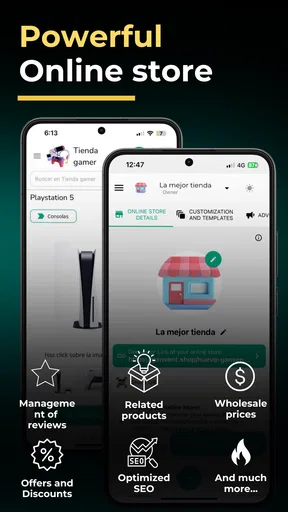
Ganvent provides a comprehensive suite of tools for setting up and managing an online store. Key features include customizable templates, an intuitive drag-and-drop builder, inventory management, secure payment gateway integrations, and marketing tools like SEO optimization and email campaigns. These features are designed to help users create a professional and efficient e-commerce platform.
Is Ganvent suitable for beginners with no technical skills?
Yes, Ganvent is designed with beginners in mind, offering a user-friendly interface that requires no coding knowledge. The platform provides step-by-step guides and tutorials to assist users in setting up their store. Additionally, the drag-and-drop builder simplifies the process of designing and managing the store, making it accessible to users of all experience levels.
What are the pricing plans available on Ganvent?
Ganvent offers a variety of pricing plans to cater to different business needs. These plans typically range from basic packages for small startups to more advanced options for established businesses. Each plan includes a set of features and varying levels of support, allowing users to choose a plan that best fits their budget and requirements. Detailed pricing information is available on their website.
How secure is Ganvent for handling customer transactions?
Ganvent prioritizes security, implementing robust measures to protect customer data and transactions. The platform supports SSL encryption, secure payment gateways, and compliance with industry standards like PCI DSS. These security features ensure that both store owners and their customers can conduct transactions with confidence, knowing their data is protected from potential threats.
Can I integrate third-party apps with my Ganvent store?
Yes, Ganvent allows for seamless integration with a wide range of third-party applications. This includes tools for analytics, marketing, shipping, and customer support, among others. The flexibility to integrate these apps enables store owners to enhance their store's functionality and improve overall business operations. A list of supported integrations is available on their website.


